OECD and the Future of Croatian Healthcare: Professionalization of Management as the Key to a Successful System
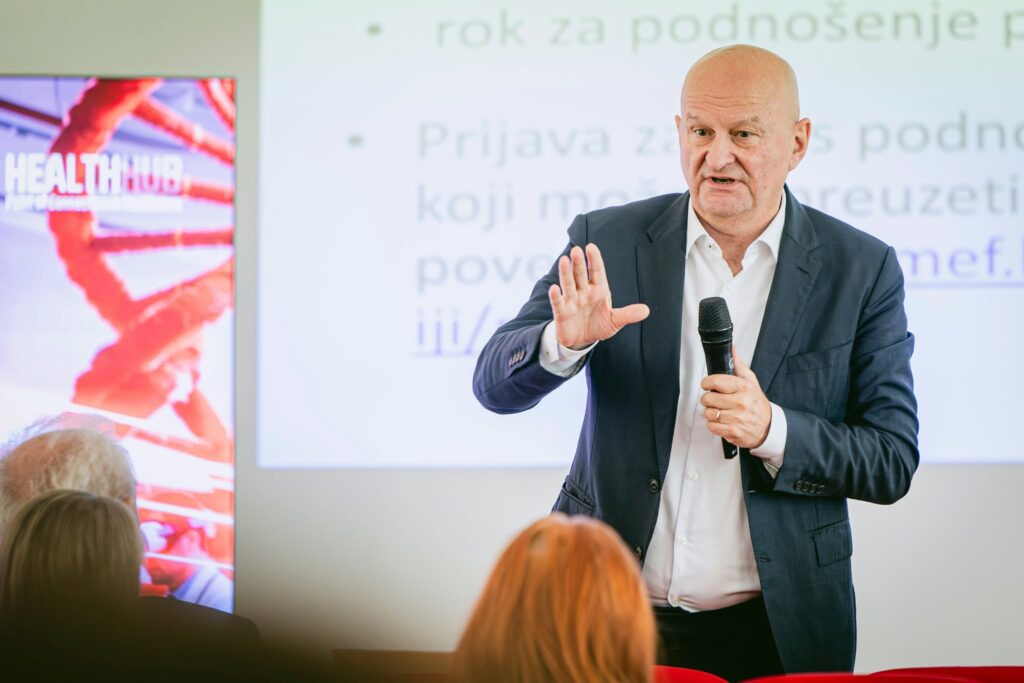
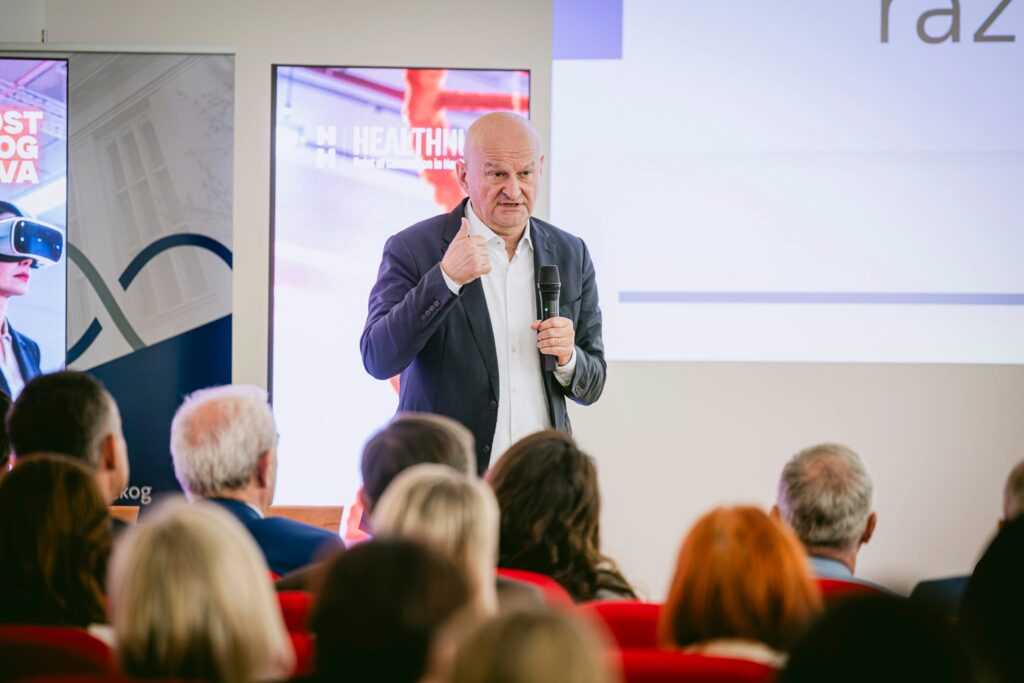
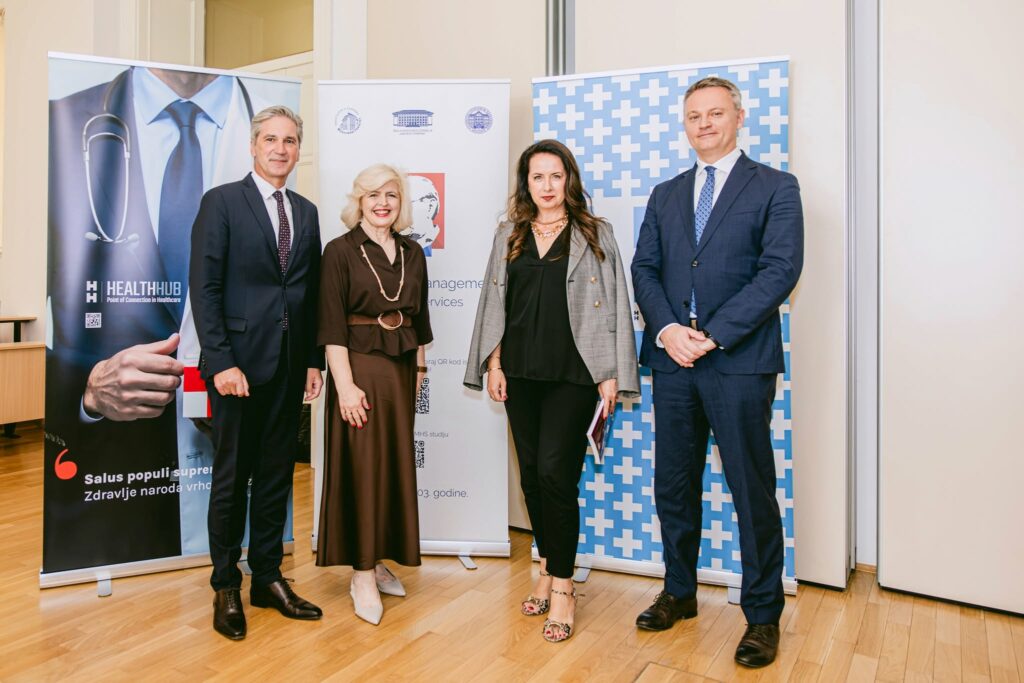
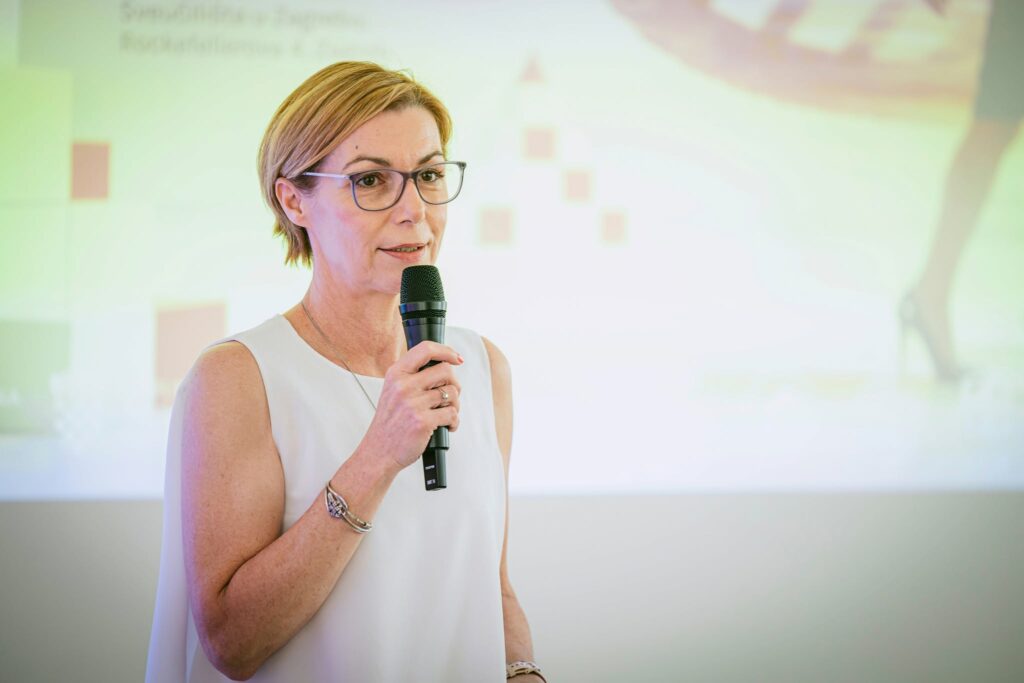
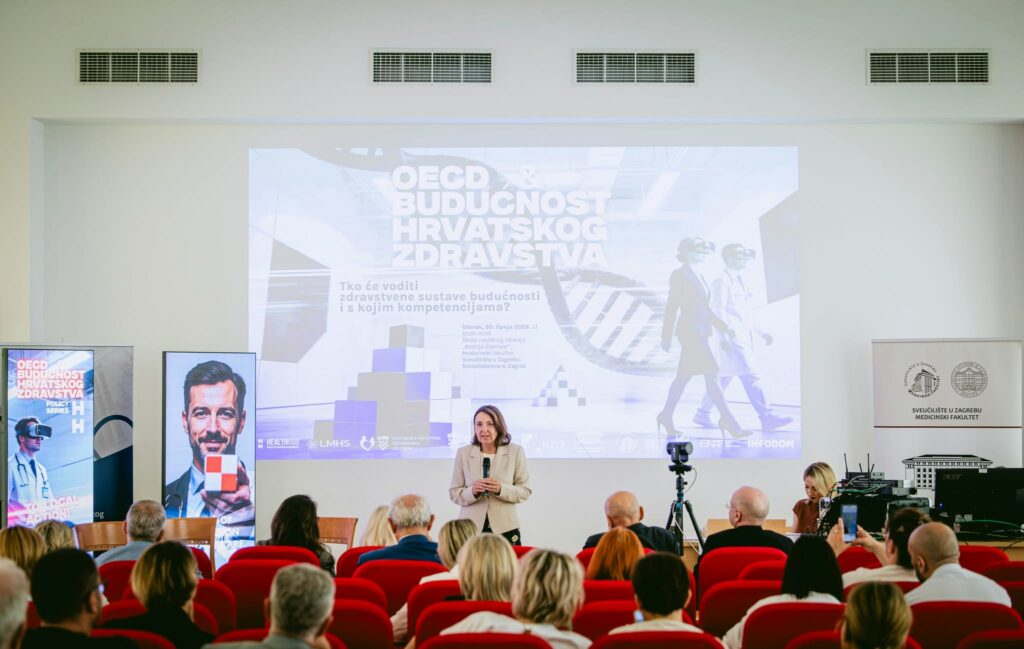
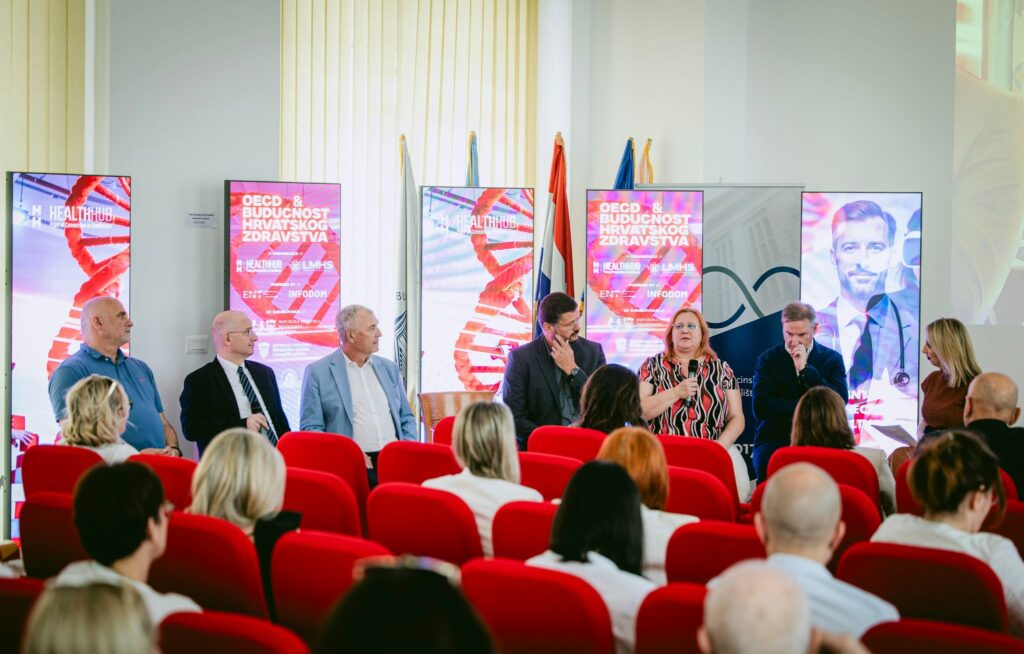
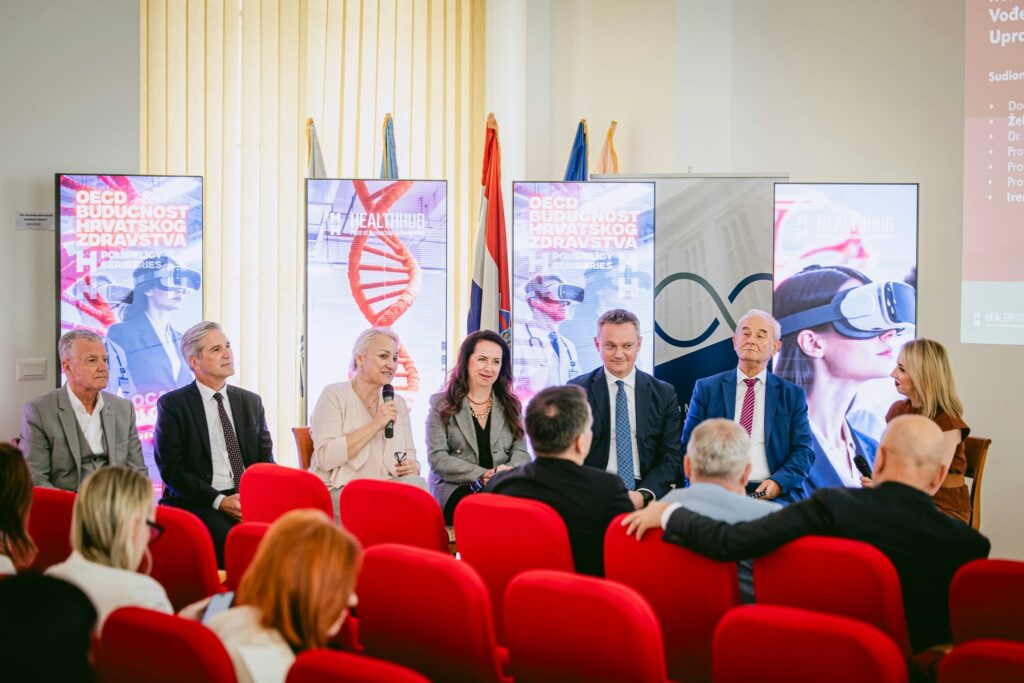
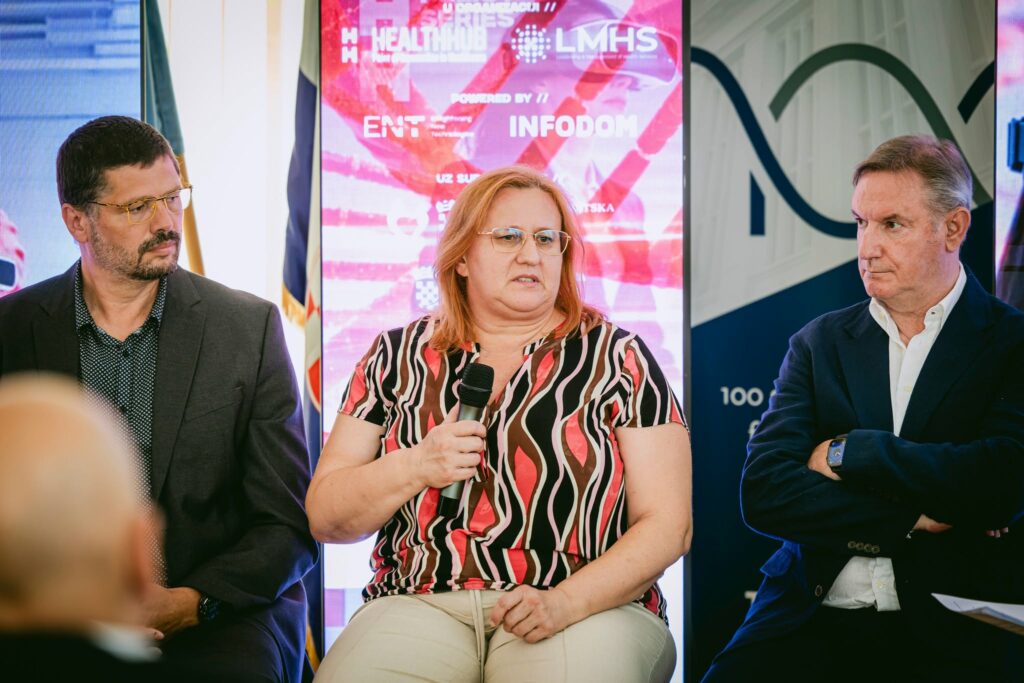
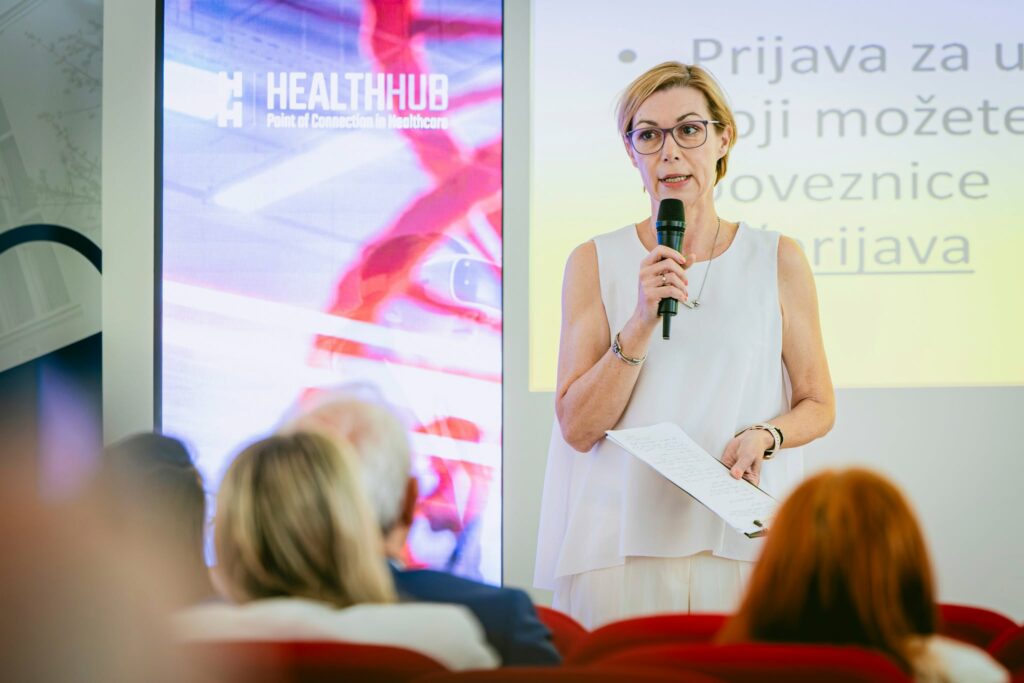
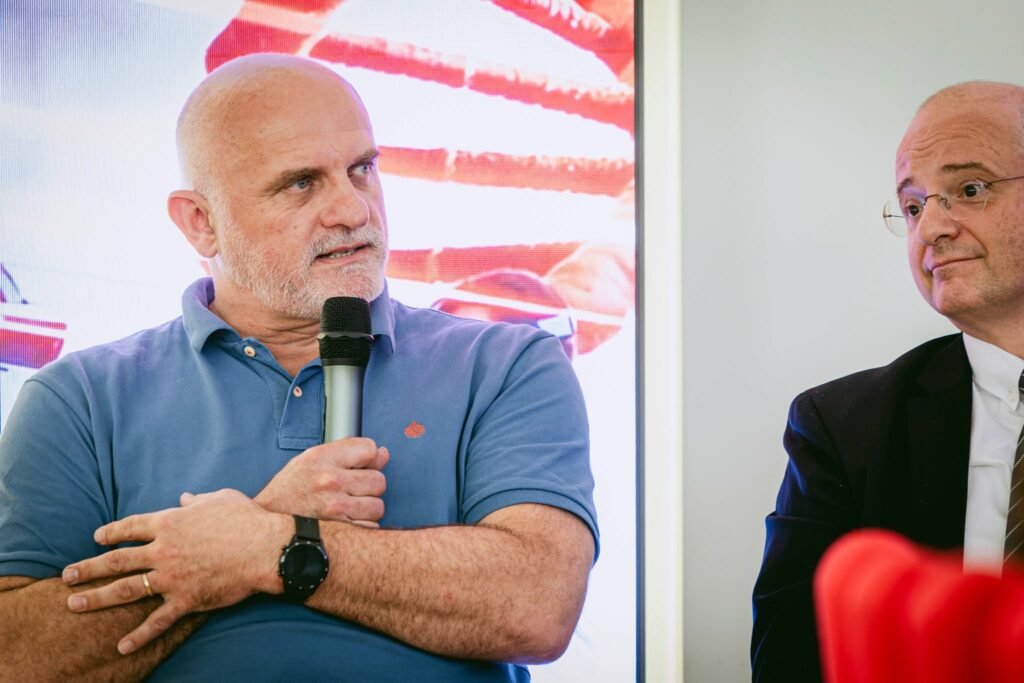
Organized by the LMHS Postgraduate Study Program and the Health Hub platform, an expert forum was held on June 30, 2026, at the Andrija Štampar School of Public Health, bringing together more than 150 leading experts from across the healthcare ecosystem.
Croatia’s accession to the OECD brings the need for a profound transformation in governance and management. Key questions such as “What will Croatian healthcare look like in the OECD era?” and “Who will lead the healthcare systems of the future, and with what competencies?” were addressed at the forum “OECD and the Future of Croatian Healthcare.”
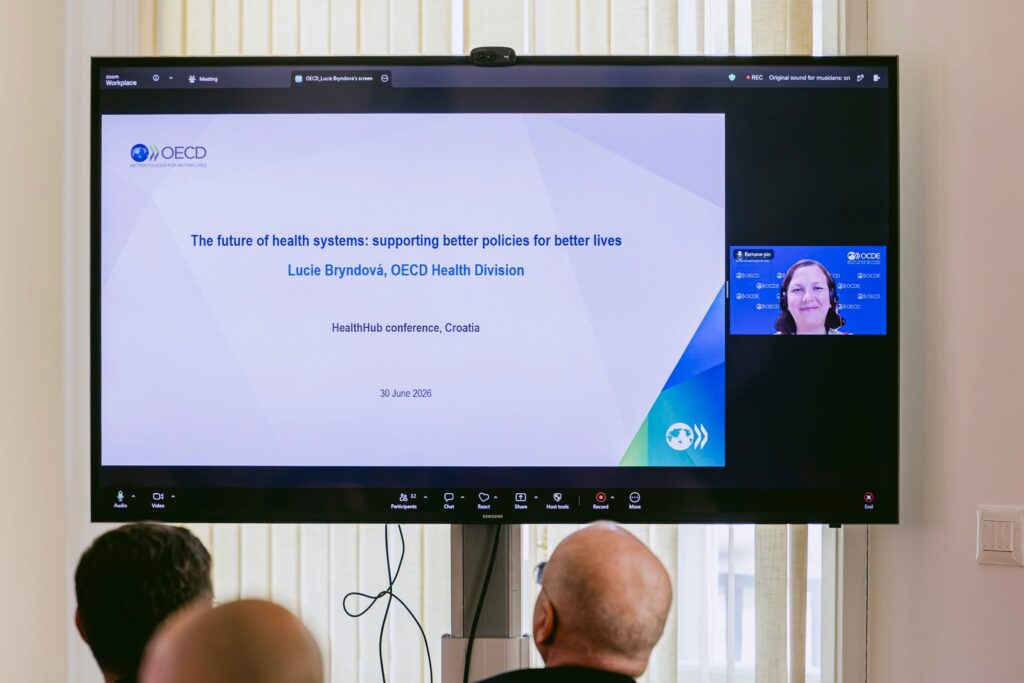
With the participation of representatives from the OECD Health Division, attendees had the opportunity to hear first-hand international perspectives on developing healthcare systems based on evidence and global best practices.
Did You Know?
- Healthcare as an economic giant: In OECD countries, healthcare accounts for approximately 10% of GDP.
- Management before spending: The most successful healthcare systems are not those that spend the most, but those that manage resources most effectively.
- Technology as a foundation: The future is being built on digital resources, artificial intelligence (AI), and interoperable data.
- Leadership is essential: Developing healthcare leaders is now just as important as developing new medical technologies.
Why Is OECD Membership a Historic Opportunity?
OECD membership is not merely a formality; it is an opportunity to adopt a methodology focused on measurable outcomes, quality, patient safety, and intelligent data management.
Although Croatian healthcare is founded on a strong tradition of solidarity and universal coverage, the real challenge lies not in the lack of resources but in outcomes. OECD methodologies and the professionalization of leadership offer a solution to this gap by transforming resources into outstanding results.
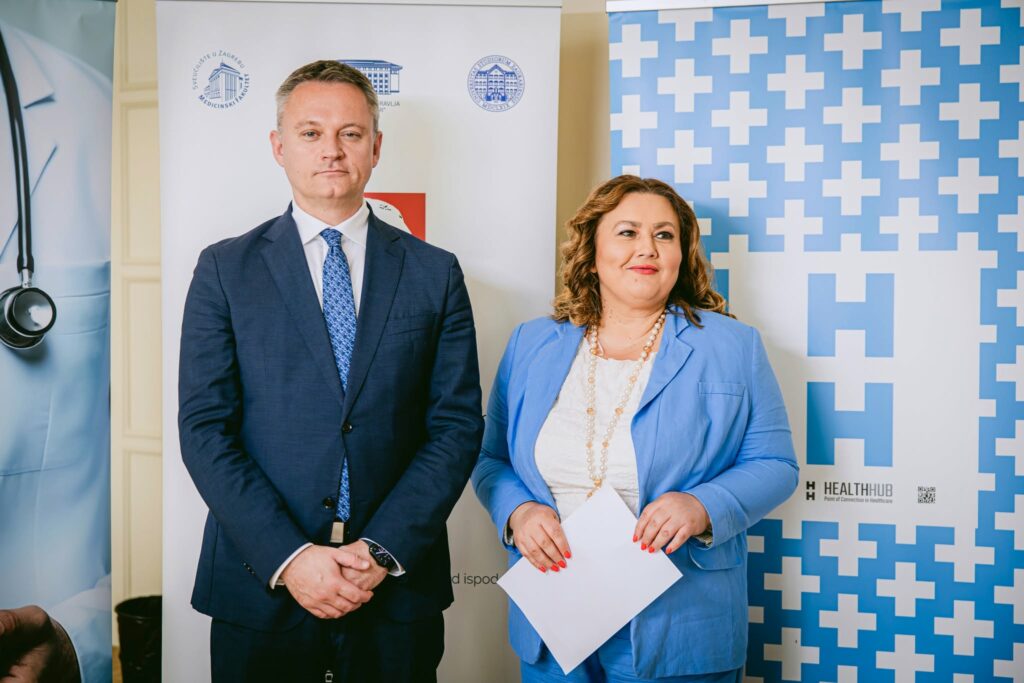
The strategic importance of this topic was also confirmed by the participation of high-ranking officials, including Minister of Health Assoc. Prof. Irena Hrstić, MD, PhD, State Secretary Zdenko Lucić, PhD, as well as representatives of the academic community and healthcare institutions.
Key Conclusions from the Panel: From Data to the Vision for 2035
1. System Transformation and Competencies
The shift awaiting Croatian healthcare is a transition from merely managing expenditures to managing outcomes. Leadership can be learned, and formal management education is becoming a necessity for hospital directors and healthcare executives.
2. Data-Driven Digitalization
Digital transformation and artificial intelligence must remain patient-centered. Evidence-based decision-making and integrated care are essential for building a resilient healthcare system.
3. Vision “Croatia 2035”
The closing policy dialogue emphasized the importance of measuring outcomes, strengthening prevention, and actively engaging all stakeholders—from industry and the IT sector to public administration—in shaping the future of healthcare.